The March curse: How the third month of the year became a nightmare for Serbia


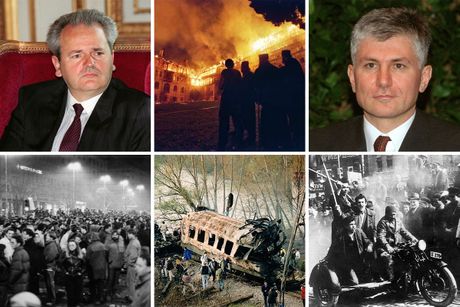
Is there a month in the calendar worse than March in Serbian history? Just as nature starts awakening, Serbia has for decades now been experiencing its worst turning points, losing lives, holy places, future. From 1941 to the Covid pandemic, the third month of the year remains a chronicle of misfortunes, upheavals and tears.
Recommended

Tragedija Srbije na Marakani, Grčka u 95. minutu srušila Orlove na praznoj Marakani
Košmar Zvezde na startu Evrolige: Žalgiris ih dobio u Beogradu, centri su problemi, Motli zavio sve u crno!
March 27, 1941 protests
It all started with a rebellion. The March protests of 1941, held under the slogan "Better in a grave than to be a slave", determined the fate of the nation in the Second World War. Although the people showed their backbone against the Tripartite Pact, the price Serbia paid was terrible - the bombing of Belgrade in early April and the years of fascist occupation that followed.
March 9, 1991: Demonstrations against Slobodan Milosevic
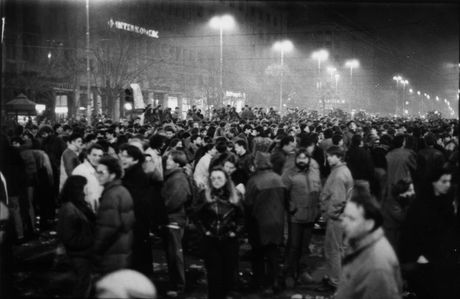
Exactly half a century later, March again brought people to the streets of Belgrade. The large-scale demonstrations in 1991 resulted in tanks getting deployed on the streets of the capital and the first blood spilled, as harbingers of the tragic disintegration of Yugoslavia (SFRJ). It was the beginning of the end of an era, and the beginning of a decade of wars.
March 1999: Start of NATO bombing
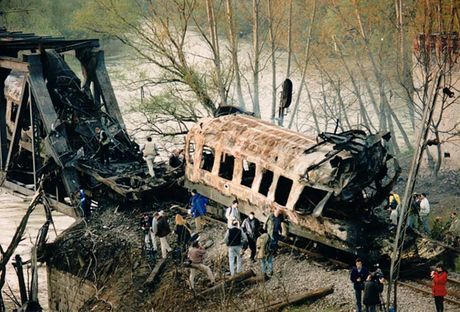
The end of the 1990s brought with it the most difficult March in our modern history. It began on March 21 with a terrorist attack in Pristina that resulted in the killing of four Serbian police officers, and culminated on March 24. That evening, without the approval of the UN Security Council, NATO launched its aggression. For 78 days, the wailing of air raid sirens was the only "music" to heard in Serbia.
March 12, 2003: Djindjic assassination
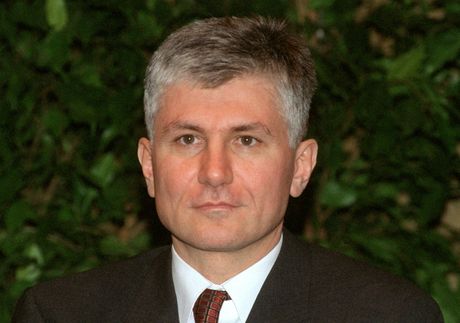
March 2003 arrived just as the country was trying to recover, after the democratic changes. The assassination of Prime Minister Zoran Djindjic in front of the Government building in Belgrade was not just the killing of one man, but a shot at reforms and hope for Serbia's European future. The country stood still again, frozen in shock, under a state of emergency.
March 2004: Ashes of Hilandar and tears of Kosovo
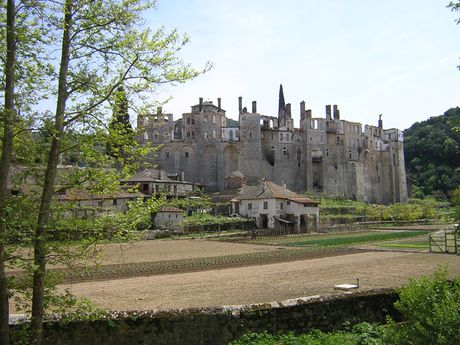
The following year brought a double blow. On March 4, fire engulfed two-thirds of the Serbian Orthodox monastery Hilandar, leaving this landmark of Serbian spirituality in ashes. Only 13 days later, on March 17, the Pogrom of the Serbs in Kosovo and Metohija started. Churches were burned, 5,000 people were expelled, as scenes ofdestruction of holy places became an eternal scar on the conscience of the world.
March 11, 2006: Hague death and divided Serbia
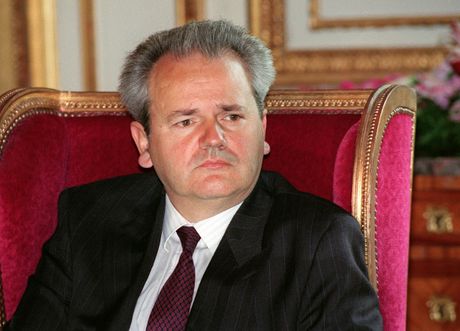
"The march of March" continued with the death of Slobodan Milosevic in a Hague cell. The man who marked Serbia's most difficult years died before the verdict against him was pronounced, leaving behind a deeply divided nation, even over the issue of his funeral. The same year, March saw a bizarre scandal during Beovision - due to political tensions between Serbia and Montenegro, the country could not even pick its representative at that year's Eurovision, which was a symbolic introduction to the final separation of the two republics, who at the time formed the Federal Republic of Yugoslavia (SRJ).
March 2020: Deadly silence

Finally, it was March that gave us the "new normal." Another state of emergency was declared due to the Covid pandemic, that shut Serbia down and forced her people to stay within the four walls. The streets got eerily quiet, the evening curfew become a part of everyday life, while the fear of the invisible enemy once again colored this month with anxiety.
Serbia and March, it seems, only understood each other through pain. From political assassinations and military aggressions, the burning of religious shrines and modern-day "plagues" - this month is a reminder that in the Balkans, spring often arrives with the smell of gunpowder and ashes.
(Telegraf.rs)
news_in_focus
Proglašen najbolji grad za život u Evropi, drugi je u svetu: Nudi prirodu, rekreaciju i malu nejednakost
Obišli smo grob Ratka Mladića 17 dana nakon sahrane: Pored sveća i cveća, neko je ostavio i ovo
Najlepše selo Banata je pravi dragulj za turiste: Ima 1.300 stanovnika i nijednu neasfaltiranu ulicu
Kako su sladoledi iz Stare Pazove osvojili svet
Hodanje ili vožnja bicikla - Šta zaista brže topi salo, a šta je daleko bolje za zglobove i leđa?
Video: Darkova baka izašla iz kuće
Telegraf.rs zadržava sva prava nad sadržajem. Za preuzimanje sadržaja pogledajte uputstva na stranici Uslovi korišćenja.
Comments
Web stories

POZLILO MU U ŠKOLI, SRUŠIO SE, U BOLNICI KONSTATOVANA SMRT Detalji tragične smrti mladog košarkaša i đaka Prve beogradske gimnazije
OTKRIVENO KO SU SRBI IZ KUĆE STRAVE U ŠPANIJI! Napravili haos prilikom hapšenja, policija ZAPUCALA: Žrtva u panici bežala GOLA I KRVAVA, evo šta je pronađeno u sobi za mučenje (FOTO)
(FOTO) DUNJA, JAŠ I NJIHOVO ŠESTORO DECE Srpkinja i Indijac žive svoju bajku u Novom Sadu: Ljubavna priča koja je osvojila region
