Will Serbia have nuclear power plant by this year, and what that means for our BILLS AND AIR


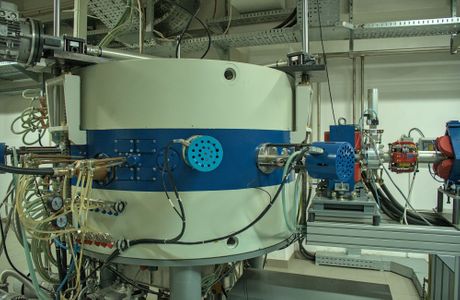
Serbia is in the first phase of developing a nuclear program according to the methodology of the International Atomic Energy Agency. Director of the Vinca Institute for Nuclear Sciences Slavko Dimovic says that our country could have its first nuclear power plant by 2040, which would ensure energy sovereignty and cleaner air.
Recommended

Gastarbajter otkrio koliku penziju ima nakon 40 godina rada u Nemačkoj: "Isplati li se ovo"
NASLOVNE STRANE DANAŠNJIH NOVINA: Prelistavanje štampe za utorak, 29. septembar 2026. godine
Speaking for Radio Belgrade, Dimovic assessed that the lifting the moratorium on construction of nuclear power plants in Serbia was a "brave and visionary political decision" that created a framework for scientific research.
He stressed that nuclear energy, as a basic form of energy, should allow for a gradual abandonment of fossil fuels, primarily coal.
"Nuclear power plants are not only a reality, but a necessity if we want to breathe cleaner air. Incidents are much more common in conventional industrial plants than in nuclear plants. They bring energy stability as the state does not depend on one supplier," Dimovic said.
Renewable sources insufficient for stable system
Dimovic explained that alternative sources, such as wind farms and solar panels, cannot meet more than 30 percent of energy needs because of variations in weather conditions that can cause grid problems.
"Serbia needs to turn to conventional nuclear reactors, a minimum of two reactors of up to 2.4 gigawatts, in order to meet the energy deficit and achieve the ambitious plan of exporting electricity," said the Vinca director.
As for the current conflict in the Middle East and speculation that Iran's nuclear facilities might be attacked, Dimovic said that people in Serbia have no reason to worry.
"Even in the worst case scenario, the formation of a radioactive cloud, such a cloud could move along the countries in the Persian Gulf or towards Turkey. Given that this is a distance of over 3,000 kilometers, people in Serbia would be absolutely safe," he emphasized, adding that irresponsible individuals in the public space are unnecessarily spreading panic.
The Vinca Institute, as the largest nuclear research institute in Eastern Europe, has taken a key role in the development of Serbia's nuclear program.
So far, cooperation memorandums have been signed with the French company EDF, as well as with leading institutes in Hungary, while successful cooperation is also being maintained with Russia's Rosatom. Also, the institute's delegation has visited the South Korean company KHNP.
Speaking about the choice of technology, Dimovic explained that Serbia should not rule out any option.
"The International Atomic Energy Agency has strictly prescribed that countries at this stage of development should apply conventional methods. Small modular reactors are currently in the research, or pre-conventional use phase. However, by 2040, when Serbia should get a nuclear power plant, commercial use will also probably happen," Dimovic concluded.
Nuclear energy advantages
Dimovic cited the absence of carbon dioxide emissions, low operating costs in the long term and the lifespan of modern reactors, which is 60 to 80 years, as the key advantages of producing and using nuclear energy, Dimovic told Radio Belgrade.
(Telegraf.rs/RTS)
news_in_focus
Penzije stižu ranije nego što mnogi očekuju: Evo kada novac kreće na račune, adrese i šaltere
Obišli smo grob Ratka Mladića tri nedelje nakon sahrane: Zatekli smo ovaj prizor
Beli anđeo je najbolja torta i to tvrdimo! Ne peče se, a ukus je ravan najskupljim desertima
Iz Dunava izvučena tona blaga starog 2.000 godina: Bilo dovoljno da se naoružaju stotine ratnika
Novi Novak je budućnost srpskog tenisa, dolazi iz ugledne porodice, njegove sestre su blago naše zemlje
Video: Baka Šemsa
Telegraf.rs zadržava sva prava nad sadržajem. Za preuzimanje sadržaja pogledajte uputstva na stranici Uslovi korišćenja.
Comments
Web stories

MOŽEMO SRUŠITI SVAKU VLADU NA BALKANU, MOŽEMO SVUDA IZAZVATI POLITIČKU KRIZU! Šokantne reči Trampove ambasadorke u Grčkoj: Kao primer uzela Rumuniju zbog odbijanja ugovora za gas
ŠPANIJA POSLALA RATNE AVIONE U SRPSKI KOMŠILUK! Radari zabeležili kretanje na nebu, u toku velika akcija na Balkanu
MASOVNA PUCNJAVA U BARU, NAJMANJE 17 MRTVIH! Osam napadača uletelo sa "kalašnjikovima" i pištoljima! Usledio je MASAKR

Ma
lepa vest ko to doživi
Podelite komentar