Expert predicts consequences on energy sector: If this happens, it will certainly affect Serbia


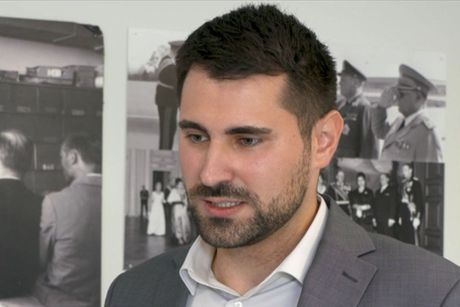
If the conflict in the Middle East continues and there is a complete blockade of the Strait of Hormuz, it would have a negative impact on Serbia, despite all the measures the country is taking regarding the energy sector - because Serbia depends on the import of oil and natural gas and has an unresolved situation with the ownership of Petroleum Industry of Serbia (NIS), Assistant Professor at the Faculty of Political Sciences Strahinja Obrenovic said today.
Recommended

SVE JE IZGORELO U KAFIĆU "MANIR": Od lokala u Omladinskih brigada na Novom Beogradu ostali samo garež i pepeo!
Stranci pakuju kofere, rasprodaju sve i masovno napuštaju Crnu Goru: Cene nekretnina strmoglavo u padu
Speaking about the blockade, Obradovic told Tanjug that that neither the European nor the US economy could withstand high oil prices, despite the fact that the US is a large producer of crude oil and liquid natural gas, because prices depends on imports from other countries.
"The EU is a region that is dependent on energy imports from third countries, and this disruption in the supply chain definitely affects the European economy. If the situation continues, it will reflect on inflation and bring about a decline of the standard of living," he said.
According to him, although every country, including Serbia, is taking measures that are appropriate for its economy and energy sector, if the conflict in the Middle East continues, negative effects on the economy and energy can be expected around the world.
"On the other hand, there is also cause for optimism because we see that Iran is slowly letting up, at least towards friendly countries, and allowing transport through the strait. We can expect that the US administration will also let up, but that will depend on combat operations, because we can expect a spiraling effect," Obrenovic said.
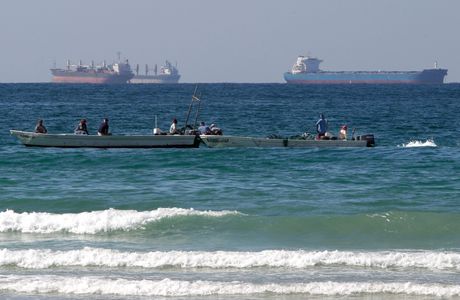
Asked whether today's global financial system is more stable than in 2008 or more vulnerable, given that economist Richard Bookstaber, who warned of the 2008 collapse, now claims that what is to come could be even worse and that we "created a monster" in the form of an unsustainable AI bubble and a dangerous concentration of capital in the hands of ten giants - Obrenovic said that it is difficult to draw a parallel between the crisis 18 years ago and the current situation, considering the fact that now there are more political and military events, the blockade of the Strait of Hormuz and the conflict between Ukraine and Russia, which was the dominant supplier of gas and oil to Europe.
He pointed out that now the impact is much broader, considering that most of the energy exported from the countries of the Persian Gulf and Iran went to Asian markets, noting that Europe has not been spared either, considering that gas in storages is 10 percent lower compared to the same period last year.
"On the other hand, the speed of EU's climate policy is brought into question because we can already see whether it will affect the competitiveness of the European economy and how it will cope with competition from US and Chinese companies," he said.
Obrenovic concluded that the very structure of the economy has changed compared to 2008 because there is a much larger share of renewable energy sources, especially in Europe but also in China.
(Telegraf Biznis/Tanjug)
news_in_focus
Veljko Paunović nikad emotivniji na konferenciji, pomenuo i partije mladih: "Jednog dana će nam se vratiti"
Otkriven PAKLENI PLAN kopilota iz Omana: Evo gde je nameravao da se zakuca avionom, imao i REZERVNU METU
Kamenac na staklu tuš kabine nestaje za nekoliko minuta: Potrebna su samo 2 sastojka koje već imate kod kuće
Ključa na granici Severne Makedonije i Albanije: Skinuta makedonska zastava na Korabu i stavljen dvoglavi orao
NASLOVNE STRANE DANAŠNJIH NOVINA: Prelistavanje štampe za ponedeljak, 5. oktobar 2026. godine
Video: Posebna ponuda kupcima stanova u Beogradu na vodi
Telegraf.rs zadržava sva prava nad sadržajem. Za preuzimanje sadržaja pogledajte uputstva na stranici Uslovi korišćenja.
Comments
Web stories

OVO JE OTAC PETORO DECE KOJI JE STRADAO U STRAVIČNOJ NESREĆI! Dobio sina ove godine, Sokolac zavijen u crno, nižu se potresni oproštaji
ODAKLE JE NEKO KO NA TABLICI IMA "KC" Važi za najmanje mesto koje ima svoju registarsku oznaku
NAREDNIH 7 DANA SVE ĆE VRVETI OD POLICIJE NA SRPSKIM PUTEVIMA! MUP pokrenuo žestoku akciju, kažnjavaće se i vozači i pešaci: Dačić izdao hitno upozorenje
