After EU's decision, Vucic sends message that will cause strong reactions - what exactly does this mean?!


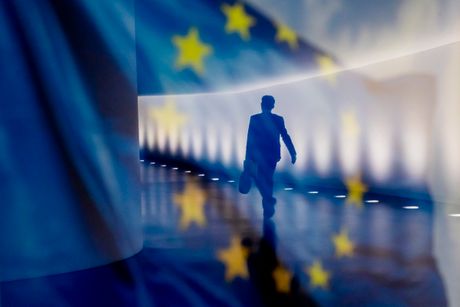
The European Union once again decided not to open Cluster 3 in membership negotiations with Serbia. President Aleksandar Vucic responded with a message that shows the change in the country's economic narrative. Instead of focusing on EU integration, he prioritized the growth of wages, the standard of living, and the influx of investments from Asia.
Recommended

Turkinja Melis našla pradedin pasoš, pa zanemela: "Krio se" 95 godina, pa joj otkrio da se preziva Đukić
"Nikad više neću da koristim air fryer": Nova istraživanja zaista otkrivaju o pripremi hrane u njemu
This represents an important signal to both the domestic and the international audiences - Serbia wants to show that its economic development is no longer exclusively tied to the dynamics of EU accession.
Economy becomes main argument
The president's message can be interpreted as an attempt to measure the country's success by economic indicators, and not solely by the progress made in negotiations with Brussels. When he points out that Serbia is overtaking other countries of the region and even some EU members in terms of salaries, he shifts the focus from political obstacles to the standard of living.
That approach also has an internal political logic. For citizens, higher wages, pensions and employment is often a more tangible indicator of success than the opening of negotiation chapters, that would have an effect only in the long term.
Asian capital in response to slower EU path
Vucic's assertion that more and more investments are coming to Serbia from Asia is particularly significant. This sends a message that the country continues the policy of diversifying foreign investments and that EU companies are no longer the only pillar of economic development.
In recent years, Serbia has attracted a significant portion of large investments from China, Japan, South Korea and other Asian countries, while at the same time trying to maintain a high level of investments from EU countries, that are still the largest individual investors.
Message to Brussels without stopping cooperation
Although he said that Serbia "understood the message" sent yesterday by the European Union, Vucic did not sharpen his rhetoric. On the contrary, he thanked President of the European Commission Ursula von der Leyen, and President of the European Council Antonio Costa, for their support.
This shows that Belgrade does not want to sever relations with the EU, but is trying to send a signal that it will not allow the deadlock in accession negotiations to slow down the country's economic development.
What is the real message?
The essence of Vucic's statement is that Serbia wants to lead a pragmatic economic policy. Membership in the European Union remains a strategic goal, but it is no longer presented as the only prerequisite for economic growth and a higher standard of living.
Such a message is at the same time a response to Brussels and an attempt to show investors that Serbia continues to develop the economy regardless of the political dynamics of EU integration.
However, the fact remains that the European Union is still Serbia's largest trade partner, the largest source of grants and one of the most important investors, which is why progress in relations with Brussels will continue to have a significant impact on the country's long-term economic growth.
(Telegraf Biznis)
news_in_focus
Stigli prvi snimci iz svemira: Sentinel-3C poslao fotografije i podatke posle samo dve nedelje
Fotografije "vrele" Australijanke pogledalo preko 6 miliona ljudi, njene noge mnogi su komentarisali
"Kao da ga je Bog odabrao": Ivana Žigon o Lordanu Zafranoviću, filmu "Zlatni rez '42: Djeca Kozare", FEST -u
DANAS su Miholjske zadušnice: Svaki drugi Srbin napravi veliki greh, ne iznosite ovo na groblje
Oglasio se Uroš koji je nacrtao Edina Džeka kako se krsti kao pravoslavac: Njegova poruku odjekuje regionom
Video: Đedović: Sve strane gube strpljenje u pregovorima o NIS-u, Srbija uradila sve što je do nje
Telegraf.rs zadržava sva prava nad sadržajem. Za preuzimanje sadržaja pogledajte uputstva na stranici Uslovi korišćenja.
Comments
Web stories

(FOTO) DEČAK (11) JE UBIJEN UDARCEM U GLAVU, NA ANALIZI JOŠ 50 LOBANJA Naši i svetski naučnici na pragu SENZACIONALNOG OTKRIĆA, saznaćemo i kako je izgledao čuveni vojvoda Stevan Sinđelić
KRVAVI ROĐENDAN U BORČI Slavili rođendan detetu, pa usledio totalni HAOS: Bacio tortu ispred kafane, pa nožem napao bivšeg muža svoje devojke!
VOZAČI, SPREMITE KEŠ! Startuje NOVO PRAVILO vožnje, tiče se svih i košta, a ako se oglušite - kazne od 10.000, pa do čak 800.000 dinara
