Dr. Plavsa: There have been no leprosy cases in Serbia for years, it's difficult to transmit and easy to treat


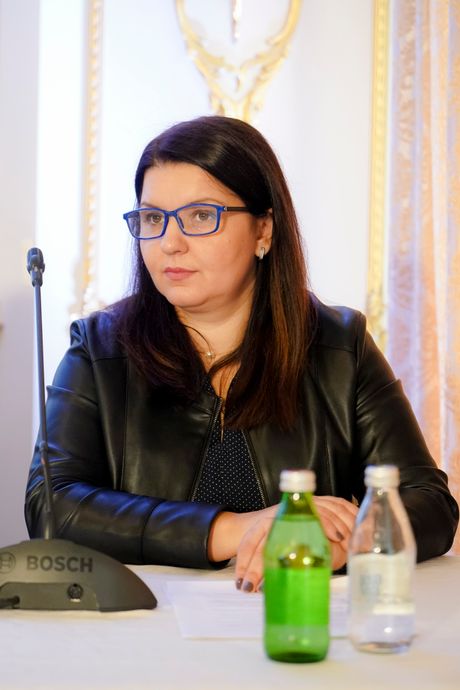
No cases of leprosy have been registered in Serbia for many years, Dr. Dragana Plavsa, an epidemiologist with the Batut Institute of Public Health, said today.
Recommended

Obišli smo grob Ratka Mladića 17 dana nakon sahrane: Pored sveća i cveća, neko je ostavio i ovo
Gledate u svoje ruke pa brojite godine? Vratite im mladost: Domaći melem briše fleke i staračke pegice
Plavsa added that leprosy could appear in our country, but only as an imported case, and that the disease is difficult to transmit and easy to treat.
The doctor told Tanjug that the recent outbreak of this disease in Croatia and Romania is not surprising, because according to data from the US Centers for Disease Control and Prevention, around 250,000 cases of leprosy are registered around the world each year, which means that there is higher occurrence in some countries.
"However, it's a myth that leprosy is a highly contagious disease. It is caused by Mycobacterium leprae. This is a bacillus that is slow-growing, it can take years, it is said up to 40 years, so people can effectively be infected but show no symptoms, and later when symptoms appear leprosy most often affects the skin and nerves. Persons who become infected by being in very close contact with others who already experience some changes - that contact must last several months," Plavsa pointed out.
The doctor reiterated that a person cannot get infected by close one-time contact, but that this must last several months.
"Today, leprosy is very easily treated with a combination of antibiotics, similar to tuberculosis. It's a myth that it is highly contagious and difficult to treat. In fact, quite the opposite - it's very hard for people to get infected, and very easy to treat them," Plavsa concluded.
(Telegraf.rs/Tanjug)
news_in_focus
Proglašen najbolji grad za život u Evropi, drugi je u svetu: Nudi prirodu, rekreaciju i malu nejednakost
Najlepše selo Banata je pravi dragulj za turiste: Ima 1.300 stanovnika i nijednu neasfaltiranu ulicu
Novak trenirao sa najvećom nadom srpskog tenisa, vunderkind objavio sliku sa Đokovićem i uputio emotivne reči
Hodanje ili vožnja bicikla - Šta zaista brže topi salo, a šta je daleko bolje za zglobove i leđa?
Kako su sladoledi iz Stare Pazove osvojili svet
Video: Balet "Krcko Oraščić" na Velikoj sceni opere i teatra Madlenianum
Telegraf.rs zadržava sva prava nad sadržajem. Za preuzimanje sadržaja pogledajte uputstva na stranici Uslovi korišćenja.
Comments
Web stories

(FOTO) DUNJA, JAŠ I NJIHOVO ŠESTORO DECE Srpkinja i Indijac žive svoju bajku u Novom Sadu: Ljubavna priča koja je osvojila region
IZDAJA KOJA ĆE ZAPALITI SVET?! Vašington okrenuo leđa Evropi, Putin odmah namirisao SLABOST - vojska spremna za NAJGORI SCENARIO!
(VIDEO) AUTOMOBIL JURCA U SUPROTNOM SMERU AUTO-PUTEM KA BEOGRADU! Osvanuo novi jeziv snimak nasilničke vožnje: Kamion i BMW jutros uhvaćeni u istom prekršaju
